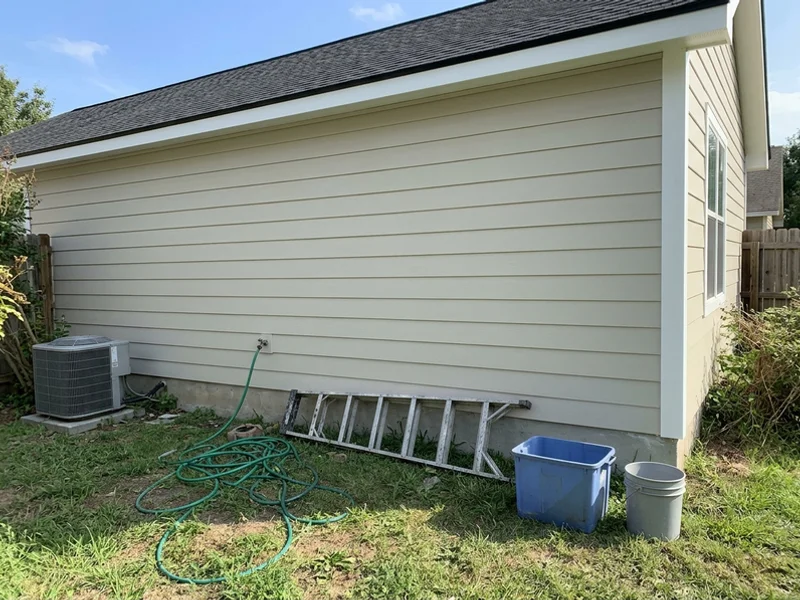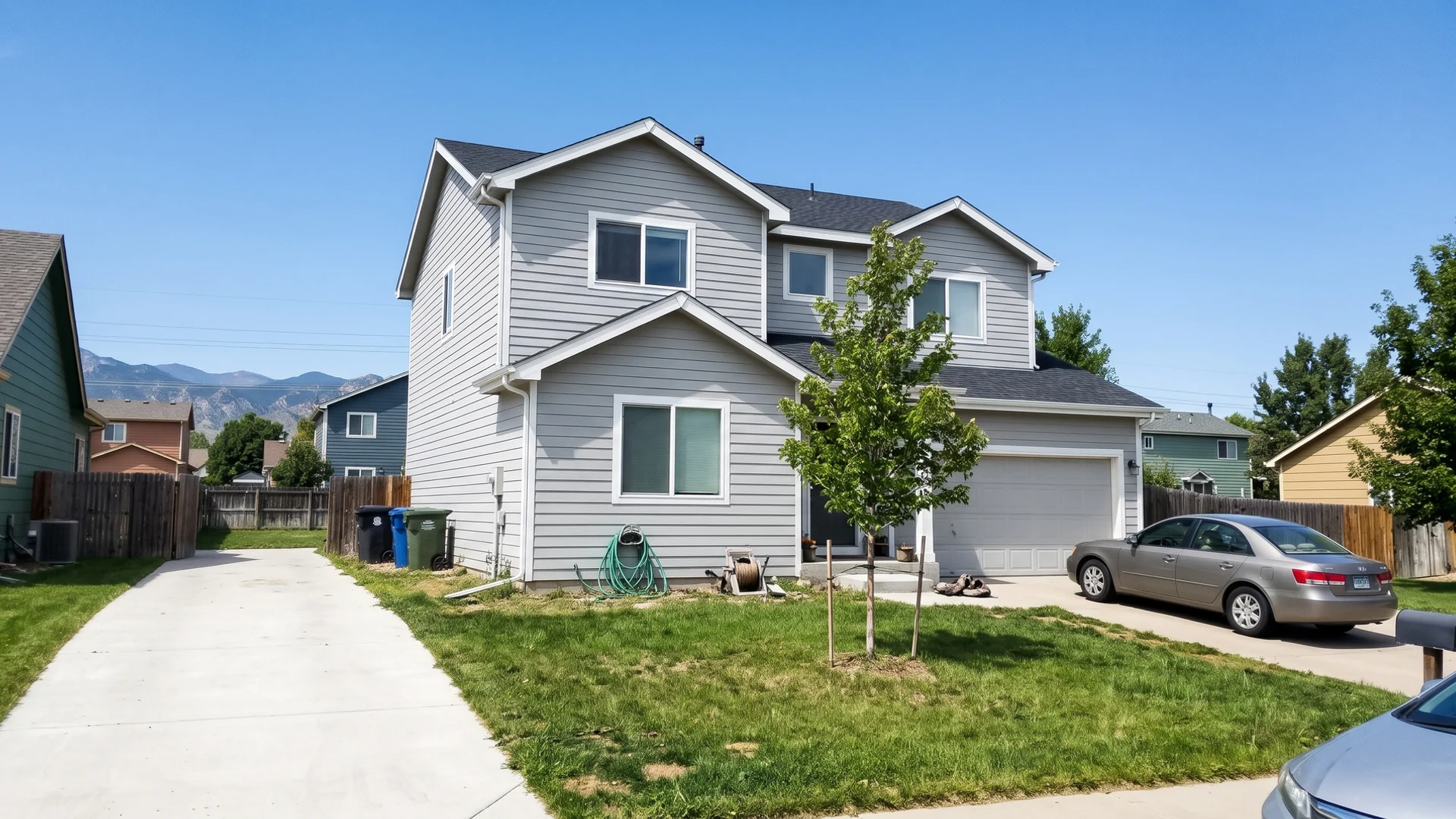
Thinking about vinyl siding in Fort Collins but not sure what the job really involves? At Fort Collins Siding Contractors, we put vinyl siding on homes and repair existing vinyl across Fort Collins and the nearby towns. Vinyl is the lowest-cost siding we install.
Here’s the catch, and you should hear it from us first. Inside Fort Collins city limits, new vinyl siding needs a permit and has to go over a fire-rated wall, which costs more than the standard vinyl range. Outside city limits, each town has its own rule.
Grab a coffee, and we’ll walk you through the rules, the panel choices, and what a good install looks like.
The Fort Collins Permit and Fire-Rated Wall Rule
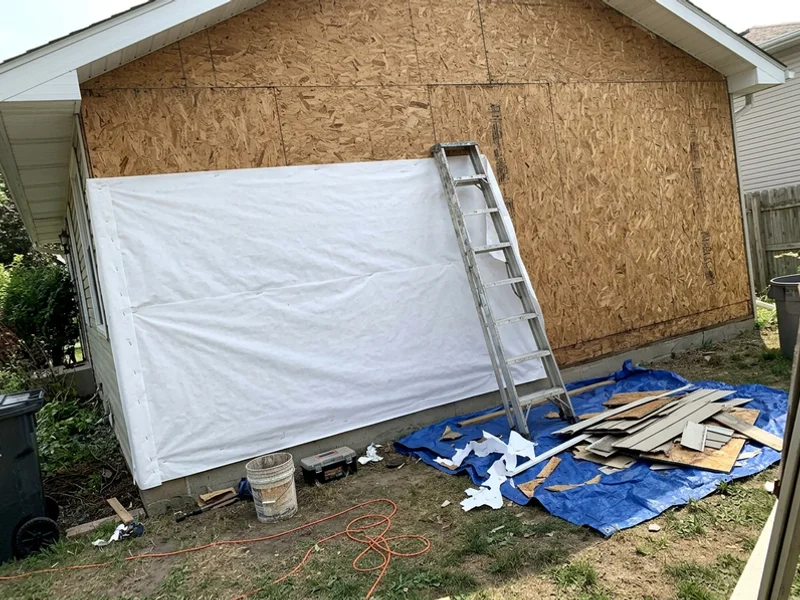
This is the first thing to know about new vinyl in Fort Collins. Inside city limits, new vinyl siding needs a permit and has to go over a fire-rated wall.
The fire-rated wall is the layer behind the siding, and building it costs more than the standard vinyl range shown on this page. We put that in front of you at the start, so the plan and the price range reflect it from the first conversation.
Here’s what that means for you:
- Permit first: New vinyl siding inside city limits needs a building permit before work starts.
- Wall behind the siding: The siding goes over a fire-rated wall.
- Older buildings: If your building is 50 years or older, city code calls for historic review first.
- Budget: Ask for a price that includes the wall, not just the panels.
Outside Fort Collins city limits, the rule depends on the town. Our town pages for Wellington, Berthoud and Laporte cover the ones we know about.
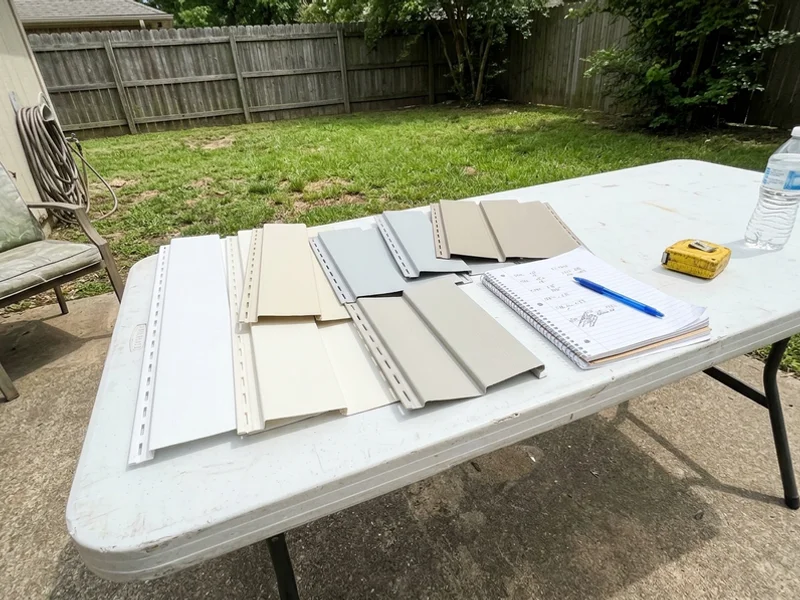
Insulated or Standard Vinyl Panels
Vinyl comes as standard hollow panels or insulated panels with foam bonded to the back. Both lock together the same way. If you’re deciding between them, our guide to insulated vs standard vinyl siding walks through how they differ.
Here’s the trade-off at a glance. Foam adds stiffness, and it adds cost.
| Standard hollow vinyl | Insulated vinyl | |
|---|---|---|
| Backing | Hollow | Foam bonded to the back |
| Feel on the wall | Flexes over the wall | Stiffer, sits solid against the wall |
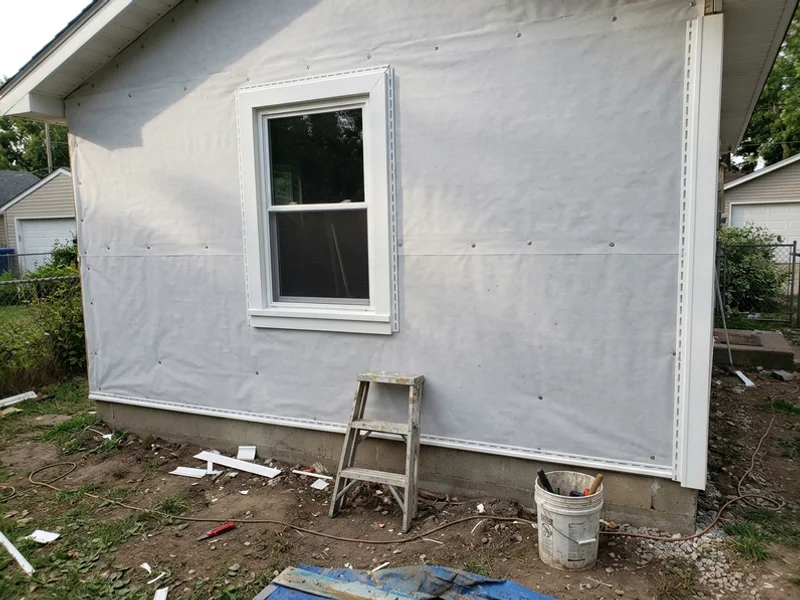
| Trim | Standard J-channel and corner posts | Deeper trim for the thicker panel |
| Cost | The lower-cost panel | Costs more than standard |
Profiles vary too:
- Standard lap: The most common, with a flat face.
- Dutch lap: Has a small groove along the top of each course that throws a deeper shadow line. The face is concave with a notch, which gives the wall a more three-dimensional look.
How Vinyl Should Be Hung
Vinyl moves as the temperature changes, and good installs let it. Each panel hangs on nails driven through the middle of the nail hem slots, snug but not tight, so the panel can slide.
We leave a small clearance between the nail head and the vinyl, about the thickness of a dime, because a long panel grows and shrinks noticeably between a cold morning and a hot afternoon.
At every end, where a panel meets a corner post or J-channel, we leave an expansion gap. Panels nailed tight or butted hard against trim are what buckle and wave on a hot afternoon.
Repairs to Existing Vinyl
Not every vinyl problem needs new siding. Cracked, holed or loose pieces are replaced and matched to the wall around them.
Here’s what we usually see:
- Cracked panels: Often from impact, and the most common cause is hail.
- Holed panels: Punctures from hail or flying debris.
- Loose panels: Pieces that have worked free and need to be re-hung.
Hail is the most common cause we see, and our hail damage siding repair page covers what a storm does to vinyl.
For full tear-off and wall prep on a whole-house job, see siding replacement. If you want a painted wood look instead, compare engineered wood siding.
Not sure whether you need a repair or new vinyl siding in Fort Collins? Reach out, and we’ll look at the wall with you and tell you straight.